
A custom pet portrait is not an ordinary purchase. People commission portraits to celebrate a beloved companion, preserve a meaningful memory, give someone a personal gift, or remember a pet that has passed away.
That emotional connection changes how customers choose an artist.
Pet owners are not only comparing prices. They are looking for an artist who can capture personality, work carefully from photographs, communicate clearly, and treat the project with the attention it deserves.
In 2026, pet portrait businesses have more opportunities to reach customers online, but they also face competition from independent artists, marketplaces, automated image services, and inexpensive mass-produced products.
The artists attracting consistent orders understand that customers need more than a gallery. They need a reason to trust the person behind the work.
A Recognizable Style Helps Customers Remember You
Trying to offer every possible artistic style can make a pet portrait business difficult to remember. Customers are more likely to recognize an artist whose work has a consistent personality.
Your style might be:
- Realistic pencil portraits
- Traditional watercolor paintings
- Oil portraits
- Colorful digital illustrations
- Minimalist line drawings
- Playful cartoon portraits
- Renaissance-inspired pet portraits
- Custom memorial artwork
You can offer more than one style, but each option should be easy to understand. Create a separate page or portfolio section for the most important portrait types.
Show several examples of each style rather than one isolated image. Potential customers need enough examples to imagine how their own pet might look.
Explain which types of photographs work best, whether backgrounds can be changed, whether multiple pets can appear in one portrait, and which sizes or formats are available.
A recognizable style does not mean every portrait should look identical. It means customers can view your work and understand what makes it distinctly yours.
Your Portfolio Should Help People Make a Decision
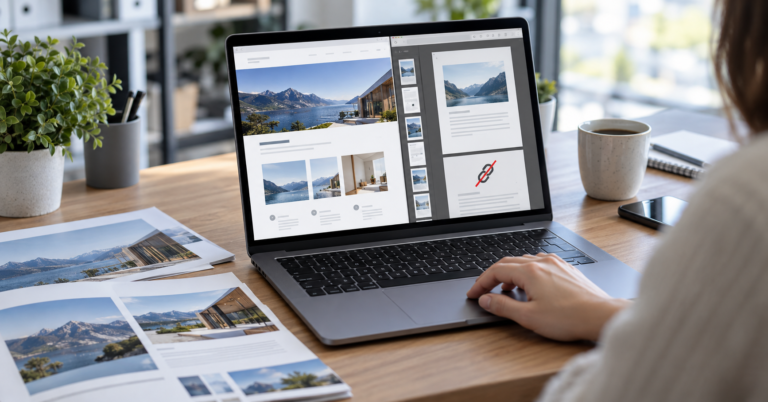
A portfolio is often the most important part of a pet portrait website, but it should be organized with the customer’s questions in mind.
Avoid placing every image in one large gallery without context. Organize your work by medium, pet type, portrait style, or project purpose.
Possible portfolio categories include:
- Dog portraits
- Cat portraits
- Multi-pet portraits
- Memorial portraits
- Digital artwork
- Hand-painted portraits
- Gift commissions
- Framed finished pieces
Use clear, high-quality photographs. If you create physical artwork, show the finished portrait in a frame or home setting so customers can understand its scale and appearance.
Before-and-after examples can also be effective. Display the original reference photograph beside the completed artwork, provided you have the customer’s permission.
This helps potential buyers understand how you interpret an ordinary photograph and turn it into a finished portrait.
Include brief details where appropriate, such as the artistic medium, portrait size, number of pets, or general story behind the commission. These details make the portfolio feel like evidence of real customer work rather than a collection of disconnected images.
Visual businesses in other industries face a similar challenge. This guide to attracting clients for an interior design business explains how portfolios, useful information, and customer trust can work together.
A Simple Commissioning Process Reduces Uncertainty
Someone may love your artwork but postpone ordering because they do not understand the process.
Your website should explain how a portrait moves from the initial enquiry to the finished piece.
A typical process might include:
- Choosing a portrait style and size
- Uploading reference photographs
- Sharing special requests
- Confirming pricing and availability
- Paying a deposit or placing the order
- Reviewing an initial sketch or proof
- Approving the finished portrait
- Receiving the digital file or physical artwork
The exact process will depend on how you work. The important thing is to make it clear.
Explain whether customers can request revisions, how many revisions are included, and at which stage changes can be made. If you create physical portraits, describe framing and delivery options. If you sell digital artwork, explain the file format and how customers can use it.
Customers should also know how long the process generally takes. If turnaround times change during holidays or busy gift-giving periods, update this information clearly.
Avoid promising a delivery date you cannot control. Instead, explain when orders must be placed to provide the best chance of completion before an important occasion.
A clear process communicates professionalism and reduces the number of questions you need to answer individually.
Emotional Stories Make the Artwork More Meaningful
Pet portrait marketing works best when it recognizes why people commission the artwork.
A finished portrait may represent a puppy’s first year, a pet adopted from a rescue, a companion shared by a couple, or a memorial for an animal that was part of the family for many years.
With the customer’s permission, share selected stories behind your portraits.
A short project story might explain:
- Why the portrait was commissioned
- What made the pet special
- Which photograph was used
- What details the customer wanted included
- How you approached the artwork
- What the finished portrait meant to the recipient
These stories should feel respectful and genuine. Avoid turning a customer’s grief or personal experience into an aggressive sales message.
Memorial portraits require particular sensitivity. Use compassionate language and allow customers to decide how much of their story they want shared publicly.
The purpose is to show potential customers that you understand the emotional meaning behind the commission—not merely the transaction.
Pet-focused businesses often succeed when their content speaks to genuine customer feelings. This RankYourPage case study explains how helpful content supported the growth of a pet boarding business by addressing the real concerns of pet owners.
Customer Reviews Provide Reassurance
Ordering custom artwork online requires trust. The customer may be sending personal photographs, paying before the portrait is completed, and waiting several weeks for the finished work.
Reviews can reassure potential buyers that you communicate clearly, meet expectations, and deliver artwork carefully.
Ask satisfied customers to describe their experience after receiving the finished portrait. A simple request might say:
Thank you for trusting me to create your pet’s portrait. If you are pleased with the finished artwork, I would appreciate your honest feedback. Your review can help other pet owners feel more confident when commissioning their own portrait.
Do not purchase reviews or offer rewards for positive ratings. Genuine customer experiences are more convincing.
Feature selected reviews near relevant parts of the website. A testimonial about a memorial portrait could appear on the memorial commission page, while feedback about a multi-pet illustration could support that service.
Photographs of customers displaying or gifting their portraits can be powerful, but always request permission before publishing them.
Respond professionally to the feedback you receive. Thank customers for positive comments and address any criticism calmly and respectfully.
Helpful Content Can Introduce Your Art to New Customers
Many potential customers do not begin by searching for a specific artist. They may first look for gift ideas, advice about choosing a portrait, or help selecting the right photograph.
Publishing useful content gives your business an opportunity to become part of that research.
Potential topics include:
- How to choose the best photograph for a pet portrait
- What makes a meaningful pet memorial gift?
- Should you choose a digital or hand-painted pet portrait?
- How to commission a portrait featuring multiple pets
- What size should you choose for a pet portrait?
- How long does a custom pet portrait take?
- Can an artist combine pets from different photographs?
- How to prepare pet photographs for an artist
- Pet portrait gift ideas for birthdays and holidays
- What to expect when commissioning custom artwork
Write each article to answer the reader’s question thoroughly. Avoid repeating your sales message throughout the content.
A natural invitation at the end can direct readers to view your portfolio or enquire about a commission.
Useful content can continue introducing people to your work long after it is published. It can also be shared through social media, newsletters, gift guides, and pet-related communities.
This case study about a dog training website’s online growth demonstrates how answering real pet-owner questions can help a pet-focused business become more discoverable.
Your Ordering Page Should Remove Friction
A potential customer should not have to send several messages just to understand the starting price or determine whether you accept new commissions.
Your ordering or enquiry page should explain:
- Available portrait styles
- Size or format options
- Starting prices or pricing structure
- Number of pets included
- Additional pet costs
- Background options
- Revision policy
- Estimated turnaround time
- Delivery or digital file information
- How to submit photographs
You do not need to display a fixed price when every commission is different. However, providing a starting range can help customers determine whether the service fits their budget.
Keep the first enquiry form manageable. Ask for the customer’s name, email address, preferred portrait type, number of pets, deadline, and reference photographs.
If you require additional information, request it after reviewing the initial enquiry.
Send an acknowledgement immediately after the form is submitted. Explain when the customer can expect a personal response and what the next step will be.
The easier the process feels, the less likely someone is to abandon the order or continue searching for another artist.
Seasonal Planning Can Produce More Consistent Orders
Pet portraits are frequently purchased as gifts, which means demand may increase around holidays, birthdays, anniversaries, and other special occasions.
Do not wait until the busiest week to begin promoting commissions.
Create a simple calendar identifying your most important ordering periods. Publish gift-related content, portfolio examples, and ordering deadlines several weeks before demand is expected to increase.
Potential seasonal angles include:
- Holiday pet portrait gifts
- Mother’s Day gifts for pet owners
- Father’s Day pet gifts
- Pet memorial keepsakes
- Adoption anniversary gifts
- Wedding gifts featuring a couple’s pet
- Birthday gifts for dog or cat owners
- Housewarming gifts for pet families
Be transparent about your availability. If hand-painted portraits require several weeks, communicate the deadline clearly. You can also explain whether gift cards or digital previews are available for customers who miss the physical delivery deadline.
Seasonal marketing should not replace year-round visibility. It should add momentum during periods when people are already searching for meaningful gifts.
Relevant Partnerships Can Introduce You to Pet Owners
Pet portrait artists share an audience with many other businesses and organizations.
Potential relationships may include:
- Pet photographers
- Dog trainers
- Pet groomers
- Pet boarding businesses
- Rescue organizations
- Pet-friendly event organizers
- Independent pet shops
- Animal charities
- Pet bloggers
- Local lifestyle publications
Approach these relationships with a genuine collaboration idea rather than immediately requesting promotion.
For example, you might provide a portrait for a fundraising event, contribute advice about taking suitable reference photographs, create artwork for a rescue success story, or offer insight for a pet gift guide.
The goal should be to create something useful for the audience. A natural business mention can follow when the collaboration genuinely involves your artwork or expertise.
You can also pitch relevant publications with an interesting customer story, seasonal gift insight, portrait trend, or sensitive discussion about memorial artwork.
This guide explains how businesses can earn relevant website mentions through expert contributions, useful resources, original stories, and genuine collaboration.
A Memorable Customer Experience Encourages Referrals
The experience should not end when the portrait is shipped or delivered.
Follow up to confirm that the customer received the artwork safely. Ask whether they are satisfied and provide any relevant care, printing, or framing instructions.
Thoughtful presentation can also make the experience more memorable. Depending on your business model, this might include careful packaging, a handwritten note, progress photographs, or a small digital image the customer can share online.
Do not pressure customers to post or recommend you. Make the experience good enough that sharing feels natural.
Keep a record of previous customers who have given permission to receive occasional updates. You might contact them when you open holiday commissions, introduce a new portrait style, or offer artwork featuring additional pets.
A satisfied customer may return for another portrait or recommend your work to friends and family. For a personal service such as pet artwork, these relationships can become one of your strongest sources of future commissions.
Creating a Pet Portrait Business People Trust
Pet owners choose portrait artists based on more than technical ability. They want someone who understands the meaning of the project, communicates clearly, and can be trusted with an important memory.
A successful online presence connects:
- A recognizable artistic style
- A well-organized portfolio
- A clear commissioning process
- Genuine customer stories
- Honest reviews
- Helpful educational content
- Simple ordering
- Relevant partnerships
- A thoughtful customer experience
When these elements work together, your pet portrait business can attract customers who appreciate your style and understand the value of custom artwork.
Need Help Reaching More Pet Portrait Customers?
I help service-based and creative businesses improve their online visibility, strengthen their websites, create useful content, and turn more visitors into genuine customer enquiries.
If your pet portrait service is struggling to attract enough orders in 2026, email me at md@rankyourpage.com with your website URL and target audience.
You can also visit RankYourPage to learn more about how I help businesses create sustainable online growth.